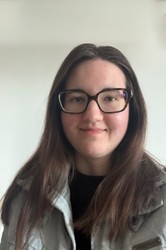
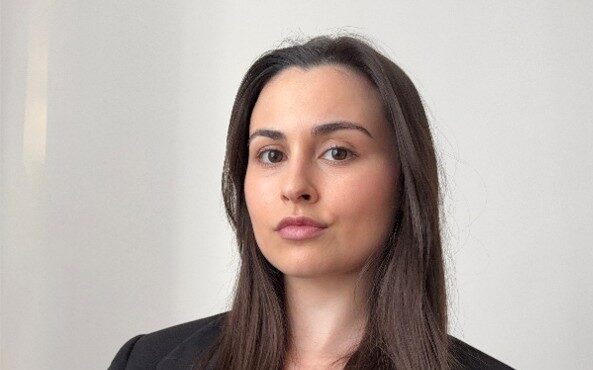
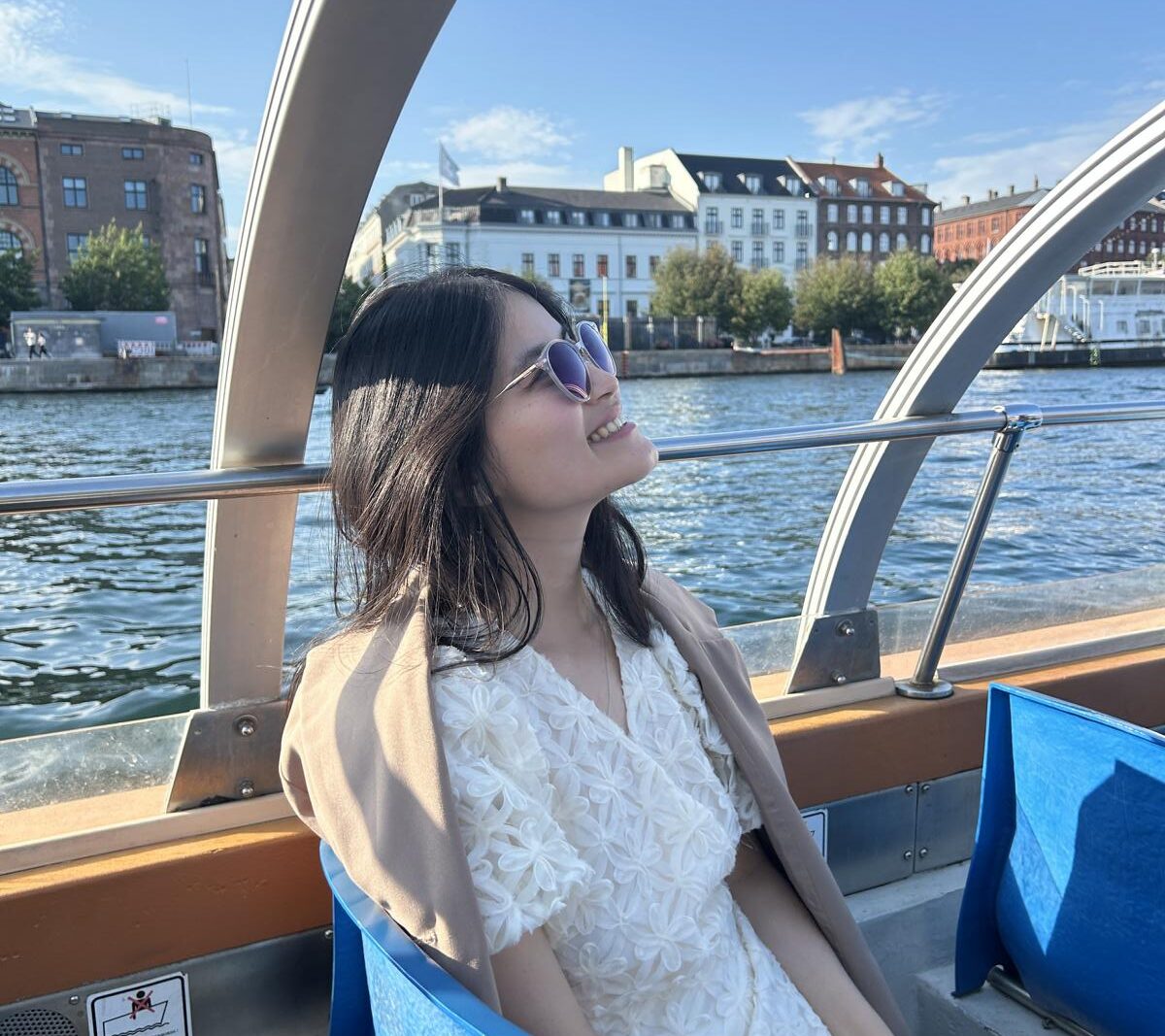
Beatriz Carneiro (DC1 at University of Hamburg)
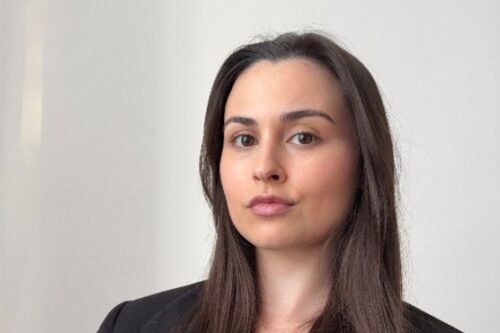
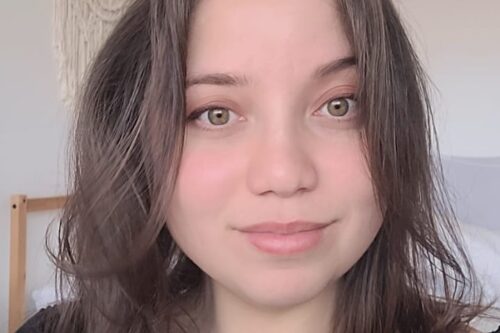
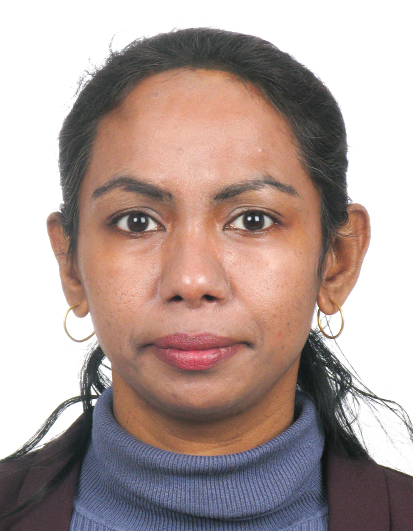
My name is Beatriz Carneiro, and I am from beautiful and vibrant north of Portugal. I possess a bachelor degree in Environmental Science and Technology and a master’s degree in Biotechnology. Currently I am working as a PhD student at the University of Hamburg with a focus on identification and characterization of dye producing bacteria. The aim of this investigation consists in exploring new bacterial derived dyes via genome mining to obtain a more feasible alternative that could alter dyeing processes as well as the supply chain towards a more environmentally conscious future.
This project gave me the opportunity to combine my two fields of studies, as it has the potential to develop sustainable bacteria produced pigments, with a low carbon footprint synthesis, which is more compatible with human and environmental health. Participating in DyeAnotherWay is an exciting chance to be able to be a part and contribute to an international network to develop my soft skills, gain input and perspectives from various scientific fields, the possibility to experience academic and industrial environments, and expand my knowledge in the field of microbiology. Additionally, it will allow me to get to know other countries, their respective cultures, meet people from around the world, and enhance my language skills.
O meu nome é Beatriz Carneiro e eu sou do vibrante norte de Portugal. Eu possuo uma licenciatura em Ciências e Tecnologia do Ambiente e um mestrado em Biotecnologia. Atualmente trabalho como aluna de doutoramento na Universidade de Hamburgo e os meus estudos focam-se na identificação e caracterização de bactérias com capacidade de produzir corantes. O objetivo desta investigação consiste em explorar novos corantes derivados de bactérias através da análise genómica. De forma a obter uma alternativa mais viável que poderá alterar os processos de tingimento e a cadeia de distribuição para um futuro mais consciente segundo a perspetiva ambiental.
O tópico deste projeto deu-me a oportunidade de combinar as minhas duas vertentes de formação académica. Devido ao seu potencial para desenvolver corantes sustentáveis provenientes de bactérias, cuja produção tem um baixo impacte na pegada de carbono, o que é mais compatível com a saúde humana e ambiental. A minha participação em DyeAnotherWay é uma oportunidade incrível de contribuir para uma rede internacional de estudantes, onde existe a possibilidade para desenvolver as minhas soft skills, obter informações e perspetivas de diversas áreas científicas, experienciar o ambiente académico e industrial, e ainda expandir o meu conhecimento em Microbiologia. Adicionalmente, irá permitir-me conhecer outros países, as suas culturas, conhecer pessoas de diferentes partes do mundo, e ainda melhorar as minhas competências linguísticas.
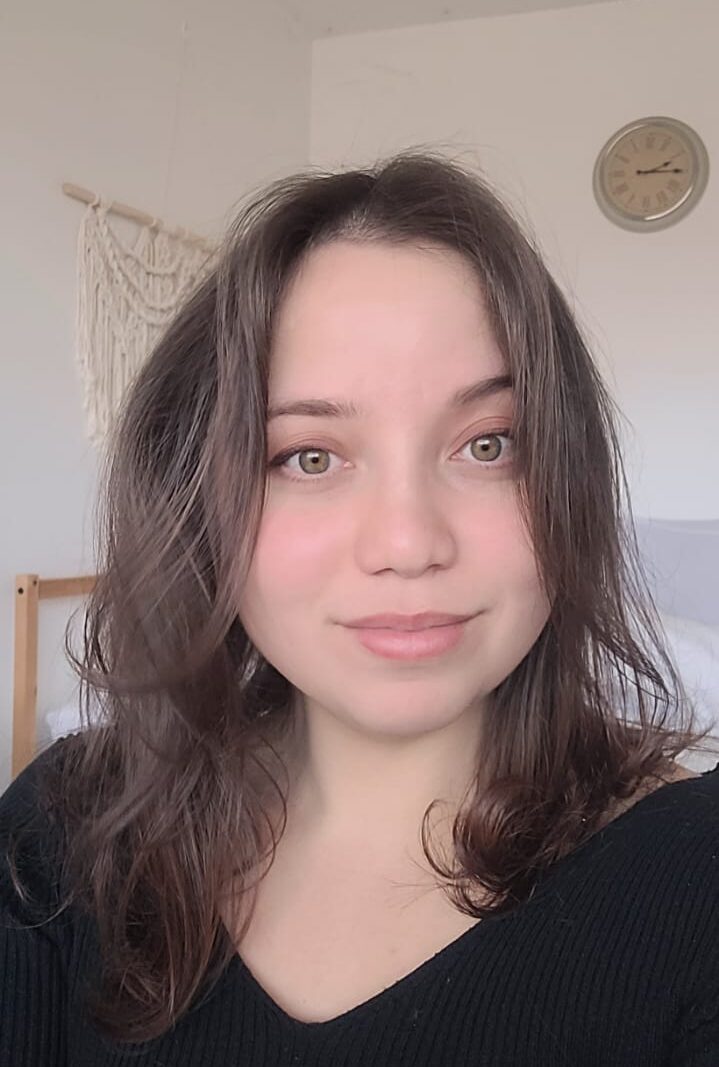
Audree Lebon (DC2 at TU Wien)
Audrée Lebon joined TU Wien
I am Audrée Lebon, from Réunion Island, a French island in the Indian Ocean shaped by biodiversity and cultural diversity. My background is in biochemistry and molecular biology, and I am especially interested in how biological processes can be understood and developed for sustainable applications. My project at TU Wien focuses on the identification of chemical structures and metabolic pathways of novel biogenic dyes produced by bacteria. I will work on extracting pigments from selected bacterial strains, elucidating their structures, and investigating their biosynthetic origin.
What attracts me to this project is the possibility of connecting fundamental research with a concrete environmental challenge. Textile dyeing still relies heavily on synthetic dyes and processes that raise concerns for human health and the environment. I am excited to explore biogenic alternatives and to contribute to rethinking colour production and developing safer and more sustainable solutions.
I look forward to collaborating within this international and interdisciplinary network, and to contributing to a more sustainable dyeing industry.
Je suis Audrée Lebon, originaire de l’île de La Réunion, une île française de l’océan Indien marquée par sa biodiversité et sa diversité culturelle.
Mon parcours est en biochimie et en biologie moléculaire, et je m’intéresse particulièrement à la manière dont les processus biologiques peuvent être compris et développés pour des applications durables.
Mon projet à la TU Wien porte sur l’identification des structures chimiques et des voies métaboliques de nouveaux colorants biogéniques produits par des bactéries. Je travaillerai à l’extraction de pigments à partir de souches bactériennes sélectionnées, à l’élucidation de leurs structures et à l’étude de leur origine biosynthétique.
Ce qui m’attire dans ce projet est la possibilité de relier la recherche fondamentale à un défi environnemental concret. La teinture textile repose encore largement sur des colorants et des procédés synthétiques qui soulèvent des préoccupations pour la santé humaine et l’environnement. Je suis enthousiaste à l’idée d’explorer des alternatives biogéniques et de contribuer à repenser la production de couleur, ainsi qu’au développement de solutions plus sûres et plus durables.
Je me réjouis de collaborer au sein de ce réseau international et interdisciplinaire, et de contribuer à une industrie de la teinture plus durable.
Natalia Kastana (DC3 at TU Wien)
Nataila Kastana joined TU Wien
My name is Natalia Kastana, I am 23 years old and I come from Athens, Greece. I completed an Integrated Master’s degree in Chemical Engineering at the National Technical University of Athens, where I specialized in Biotechnology. My master’s thesis focused on protein engineering for plastic biodegradation, a project that further shaped my interest in sustainable biotechnology.
I’m very delighted to be part of DyeAnotherWay, as the innovative idea of producing biogenic dyes from bacteria sparked my interest right from the beginning. As a doctoral candidate at TU Wien, I am contributing to the fermentation of native dye-producing microorganisms and the identification of enzymes and genes involved in the process. Through this international and collaborative project, I aim to further develop my research skills, interact with people from different backgrounds, and gain valuable experience from the industry partners.
Ονομάζομαι Ναταλία Καστανά, είμαι 23 ετών και κατάγομαι από την Αθήνα. Ολοκλήρωσα το Δίπλωμα Μηχανικού Χημικού στο Εθνικό Μετσόβιο Πολυτεχνείο Αθηνών, όπου ειδικεύτηκα στη Βιοτεχνολογία. Η διπλωματική μου εργασία επικεντρώθηκε στην πρωτεϊνική μηχανική για τη βιοαποικοδόμηση πλαστικών, ένα θέμα που ενίσχυσε ακόμη περισσότερο το ενδιαφέρον μου για τη βιώσιμη βιοτεχνολογία.
Είμαι ιδιαίτερα χαρούμενη που αποτελώ μέρος του DyeAnotherWay, καθώς η καινοτόμος ιδέα παραγωγής φυσικών χρωστικών από βακτήρια κέντρισε το ενδιαφέρον μου από την πρώτη στιγμή. Ως υποψήφια διδάκτορας στο TU Wien, ασχολούμαι με τη ζύμωση φυσικών μικροοργανισμών παραγωγής χρωστικών, καθώς και με την ταυτοποίηση ενζύμων και γονιδίων που εμπλέκονται στη διαδικασία. Μέσα από αυτό το διεθνές ερευνητικό πρόγραμμα, στοχεύω να εξελίξω περαιτέρω τις ερευνητικές μου δεξιότητες, να αλληλεπιδράσω με ανθρώπους από διαφορετικά υπόβαθρα και να αποκτήσω πολύτιμη εμπειρία από τους βιομηχανικούς εταίρους του προγράμματος.
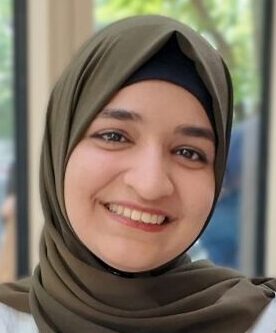
Javeria Ibrahim (DC4 at Bio Base Europe Pilot Plant)
I am Javeria Ibrahim, from the beautiful country of Pakistan, a land known for its hospitality and rich culture. I am an admirer of nature and enjoy spending quality time with friends and family, engaging in activities like traveling, cooking, cinema, henna art, and photography. I am a researcher at heart, driven by curiosity and motivation to translate promising bioprocesses into scalable designs. This drive has led me to this exciting opportunity, where, together with my host institute, Bio Base Europe Pilot Plant, I will work on developing sustainable downstream strategies for microbial pigments; one of nature’s most vibrant creations. I am particularly drawn to this area because downstream processing plays a crucial role in the overall cost and scalability of bioprocesses, often becoming a key bottleneck. And what could be more exciting than helping bring sustainable colours to life?
Having been part of the Erasmus Mundus BIOCEB Master’s programme, I experienced first-hand how collaboration with people from around the world brings creative solutions to the table. Given the collaborative nature of this project, I look forward not only to engaging in scientific exchange with talented doctoral candidates, but also to growing as a researcher. I am excited to make a meaningful and colourful contribution to the project.
میں جویریہ ابراہیم ہوں، اور میرا تعلق پاکستان جیسے خوبصورت ملک سے ہے، ایک ایسا ملک جو اپنی مہمان نوازی اور ثقافت کے لیے جانا جاتا ہے۔ مجھے فطرت سے گہرا لگاؤ ہے اور میں اپنے فارغ وقت میں اپنے دوستوں اور گھر والوں کے ساتھ مختلف مشاغل، جیسے کہ مہندی آرٹ، سفر کرنا، پکوان بنانا، سنیما جانا اور فوٹوگرافی میں حصہ لیتی ہوں۔
میں دل سے ایک محقق ہوں، جو تجسس اور اس جذبے سے متاثر ہے کہ امید افزا بایو پروسیسز کو قابلِ عمل اور قابلِ توسیع ڈیزائنز میں تبدیل کیا جا سکے۔ یہی جذبہ مجھے اس شاندار موقع تک لایا ہے، جہاں میں اپنے میزبان ادارے بایو بیس یورپ پائلٹ پلانٹ کے ساتھ مل کر مائیکروبیل پگمنٹس کے لیے پائیدار ڈاؤن اسٹریم حکمتِ عملیوں کی ترقی پر کام کروں گی, جو فطرت کے نہایت دلکش مظاہر میں سے ایک ہیں۔
مجھے خاص طور پر اس شعبے میں دلچسپی ہے کیونکہ ڈاؤن اسٹریم پروسیسنگ بایو پروسیسز کی مجموعی لاگت اور اسکیل اپ میں اہم کردار ادا کرتی ہے اور اکثر ایک بڑی رکاوٹ بن جاتی ہے۔ اور اس سے زیادہ دلچسپ کیا ہو سکتا ہے کہ ہم پائیدار رنگوں کو حقیقت کا روپ دیں؟
ایراسمس منڈس بایوسیب ماسٹرز پروگرام کا حصہ رہتے ہوئے، میں نے خود دیکھا ہے کہ دنیا بھر کے لوگوں کے ساتھ تعاون کیسے تخلیقی حل سامنے لاتا ہے۔ اس پروجیکٹ کی اشتراکی نوعیت کو مدِنظر رکھتے ہوئے، میں نہ صرف باصلاحیت ڈاکٹریٹ امیدواروں کے ساتھ سائنسی تبادلے کی منتظر ہوں بلکہ ایک محقق کے طور پر مزید ترقی کرنے کی بھی خواہش رکھتی ہوں۔ میں اس پروجیکٹ میں ایک بامعنی اور رنگین کردار ادا کرنے کے لیے پرجوش ہوں۔
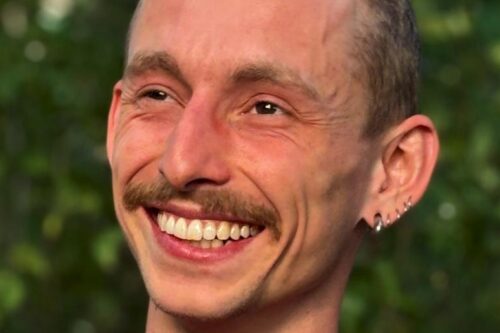
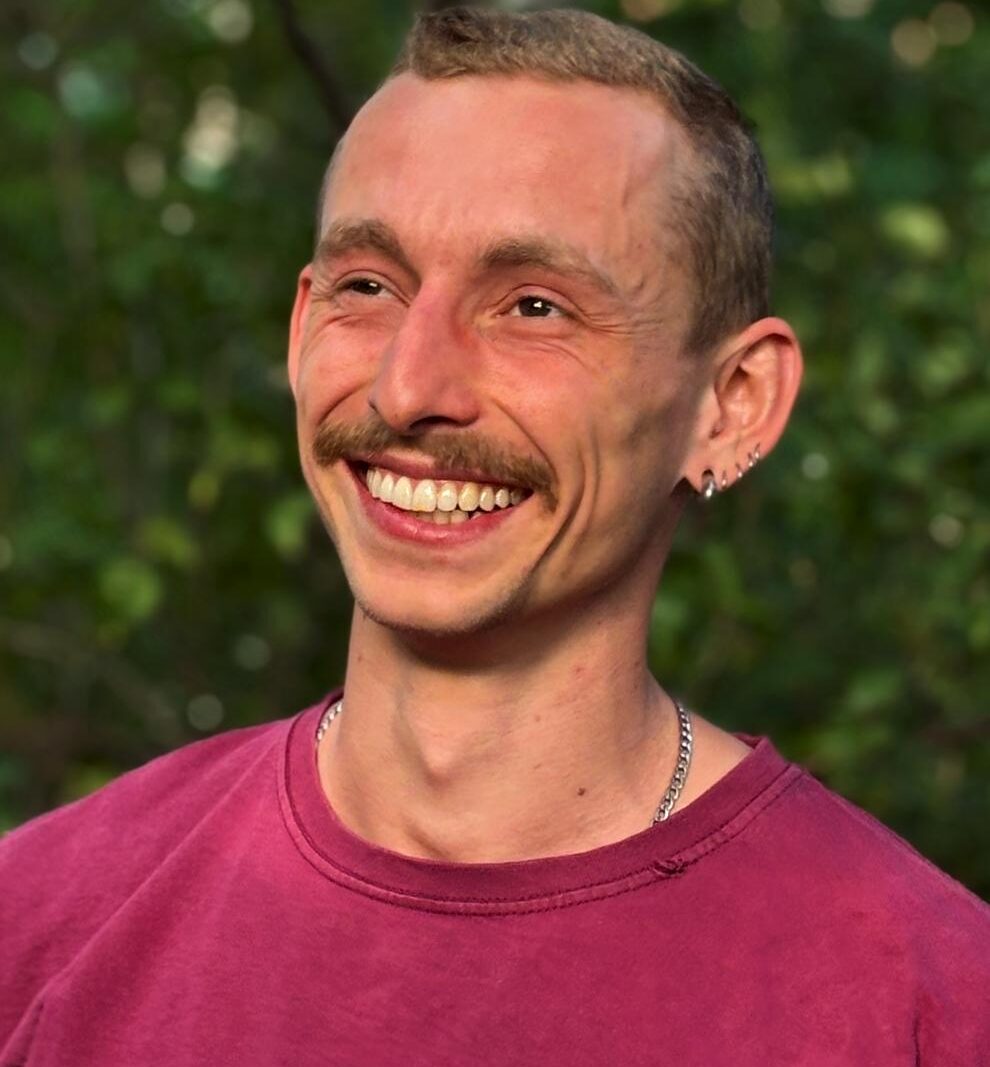
León Kienle (DC5 at TU Wien)
León Kienle joined TU Wien
When things grow, develop and come into being, I flourish alongside them. Helping humanity find new tools and approaches in an ever-changing world is the reason I am here. In my view, biology is the next logical step. That is why I completed a Bachelor’s degree in Biology and then, to put this into practice in the business world, went on to do a Master’s in Biotechnology and Applied Ecology with a focus on microbiology, during which I expressed non-specific peroxigenases in Komagatella pfaffii for my thesis – covering the entire process from transformation through bioreactor cultivation to purification and analysis. And this is precisely where the ‘DyeAnotherWay’ project comes in. Here, I am able to develop something directly applicable that is beneficial to the environment and bring it into practice – something that brings together everything I have learnt and moves us in a direction in which I would like to see humanity move. Because, in my view, we have already moved beyond the point of what has now become traditional petrochemistry. This is particularly true given that the textile industry currently accounts for such a high proportion of environmental pollution.
I have lived in Germany for the entire three decades of my life and am immensely looking forward to spending time in Vienna, but especially to carrying out the metabolic engineering part of my project in Troy, USA, at the Rensselaer Polytechnic Institute.
Wenn Dinge wachsen, sich entwickeln und entstehen, blühe ich mit ihnen auf. Der Menschheit dabei zu helfen, in einer sich ständig verändernden Welt neue Werkzeuge und Ansätze zu finden, ist der Grund, warum ich hier bin. Aus meiner Sicht ist die Biologie der nächste logische Schritt. Deshalb habe ich einen Bachelor-Abschluss in Biologie absolviert und anschließend, um dies in der Wirtschaft in die Praxis umzusetzen, einen Master in Biotechnologie und Angewandter Ökologie mit Schwerpunkt Mikrobiologie gemacht. Im Rahmen meiner Masterarbeit habe ich unspezifische Peroxigenasen in Komagatella pfaffii exprimiert – wobei ich den gesamten Prozess von der Transformation über die Kultivierung im Bioreaktor bis hin zur Aufreinigung und Analyse abgedeckt habe. Und genau hier setzt das Projekt „DyeAnotherWay“ an. Hier kann ich etwas direkt Anwendbares entwickeln, das der Umwelt zugutekommt, und es in die Praxis umsetzen – etwas, das alles, was ich gelernt habe, vereint und uns in eine Richtung führt, in die ich die Menschheit gerne sehen würde. Denn meiner Ansicht nach haben wir den Punkt, an dem die mittlerweile traditionelle Petrochemie steht, bereits hinter uns gelassen. Dies gilt umso mehr, als die Textilindustrie derzeit einen so hohen Anteil an der Umweltverschmutzung hat.
Ich habe meine gesamten drei Jahrzehnte in Deutschland verbracht und freue mich riesig darauf, Zeit in Wien zu verbringen, vor allem aber darauf, den Teil meines Projekts, der sich mit Metabolic Engineering befasst, in Troy, USA, am Rensselaer Polytechnic Institute durchzuführen.
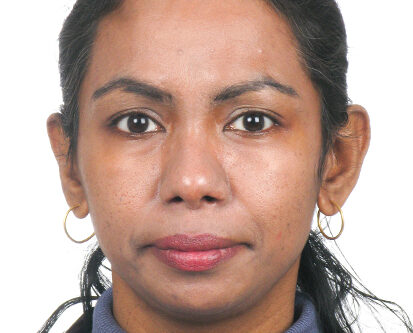
Sasindu Silva (DC6 at Hochschule Niederrhein – University of Applied Sciences)
I am Sasindu Silva from Sri Lanka, a beautiful island in the Indian ocean. My background is a bachelor degree and a master degree in the field of textile technology along with working experience in fabric manufacturing and garment fabrication.
I contribute to the DyeAnotherWay project as a doctoral candidate in the Niederrhein University of Applied Sciences (HSNR) in the areas of application and characterization of the biogenic dyes in the field of textiles. While my team members work on developing biogenic colourants, I will be analysing the dyes in terms of their interaction with different types of textile fibres, their ability to achieve permanent colouration, and compatibility with fabric recycling processes. I will also be working on establishing de-fossilisation and emission reduction focused dyeing procedures optimising the dyability and recyclability.
The aspect which drew me to this project was its interdisciplinarity and the team-approach which I believe the best way to address a common problem. I truly believe that my work will help elevate the textile industry deviating from harmful synthetic dyes to circular ways to colour textile fibres which the world will benefit economically, environmentally and socially. Therefore, I am proud to be a part of this good cause.
I aim to improve my research skills, collaboration skills, and professional experience to grow as a competent academic with a holistic viewpoint in the textile colouration industry. And I look forward to contribute to the successful realisation of the DyeAnotherWay project.
මම සසිඳු සිල්වා. ඉන්දියන් සාගරයේ තිබෙන ලස්සන දූපතක් වන ශ්රීලන්කාවෙන් පැමිණෙන මම රෙදි පිලි තාක්ෂණවේදය පිළිබඳ ප්රාථමික උපාධියක් සහ පශ්චාත් උපාධියක් දරන අතරම රෙදි සහ ඇඟලුම් නිෂ්පාදනය පිළිබඳ සේවා පළපුරුද්දක්ද දරමි.
රෙදිපිළි ක්ෂේත්රයේ ජෛවජනක වර්ණක වර්ග යෙදීම සහ ගුණාංගීකරණය යන ක්ෂේත්රවල Niederrhein University of Applied Sciences (HSNR) විශ්ව විද්යාලයේ ආචාර්ය උපාධි අපේක්ෂිකාවක ලෙස මම DyeAnotherWay ව්යාපෘතියට දායක වෙමි. මගේ කණ්ඩායම් සාමාජිකයින් ජෛවජනක වර්ණක සංවර්ධනය කිරීම සඳහා කටයුතු කරන අතරතුර, විවිධ වර්ගයේ රෙදිපිළි කෙඳි සමඟ ඒවායේ අන්තර්ක්රියා, ස්ථිර වර්ණ ගැන්වීමේ හැකියාව සහ රෙදි ප්රතිචක්රීකරණ ක්රියාවලීන් සමඟ අනුකූලතාව අනුව එම වර්ණක වර්ග විශ්ලේෂණය කරන්නට මම බලාපොරොත්තු වෙමි. වර්ණ ගැන්වීමේ හැකියාව සහ ප්රතිචක්රීකරණය ප්රශස්ත කරමින් පොසිල මූලාශ්ර භාවිතය සහ කසළ විසර්ජනය අඩු කිරීම කේන්ද්ර කරගත් වර්ණ ගැන්වීමේ ක්රමවේද ස්ථාපිත කිරීම සඳහාද මම කටයුතු කරමි.
මෙම ව්යාපෘතියට මා ආකර්ෂණය කළ අංගය වූයේ එහි අන්තර්විනය සහ කණ්ඩායම් ප්රවේශයයි. පොදු ගැටලුවක් විසඳීමට හොඳම ක්රමය එය යැයි මම විශ්වාස කරමි. මගේ කාර්යය රෙදිපිළි කර්මාන්තයට හානිකර කෘතිම වර්ණක වර්ග වලින් බැහැරව රෙදිපිළි තන්තු වර්ණ ගැන්වීමේ චක්රීය ක්රම වෙත ඔසවා තැබීමට උපකාරී වනු ඇතැයි මම සැබවින්ම විශ්වාස කරමි. එය ආර්ථික වශයෙන්, පාරිසරික වශයෙන් සහ සමාජීය වශයෙන් ලෝකයට ප්රතිලාභ ලබා දෙනු ඇත. එබැවින්, මෙම යහපත් කාර්යයේ කොටසක් වීමට ලැබීම ගැන මම ආඩම්බර වෙමි.
මෙම ව්යාපෘතියට දායක වීම මගින් රෙදිපිළි වර්ණ ගැන්වීමේ කර්මාන්තයේ සමස්ත දෘෂ්ටිකෝණයක් සහිත දක්ෂ ශාස්ත්රවේදිනියක් ලෙස වර්ධනය වීමට මගේ පර්යේෂණ කුසලතා, සහයෝගීතා කුසලතා සහ වෘත්තීය අත්දැකීම් වැඩිදියුණු කරගැනීම මාගේ අරමුණයි. තවද DyeAnotherWay ව්යාපෘතියේ සාර්ථක අවසානයක් සඳහා මාගේ උපරිමයෙන් දායක වීමට මම බලාපොරොත්තු වෙමි.
Yusuf Saleh Maigari (DC9 at University of Borås)
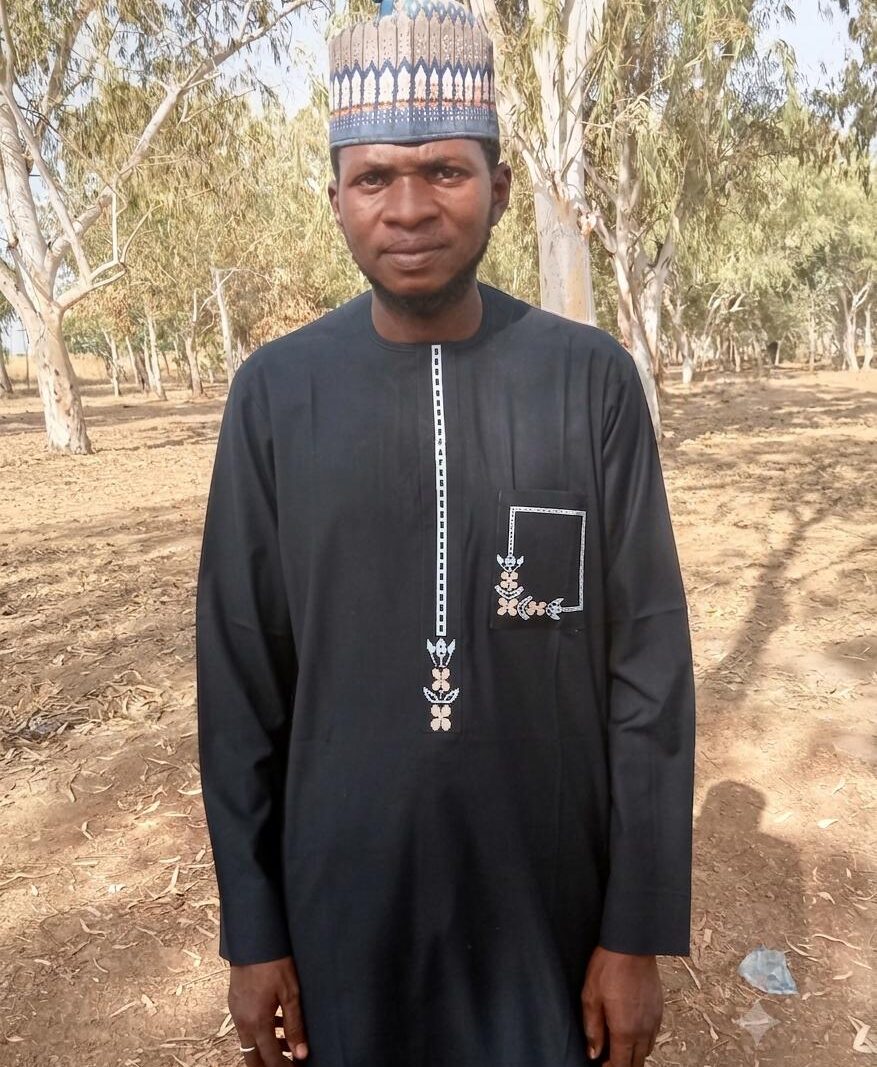
My name is Yusuf Saleh Maigari. I come from Kano City in Kano State, Nigeria. Growing up in Kano, a city famous for its ancient textile traditions — particularly the historic Kofar Mata dye pits, one of the oldest indigo dyeing centres in West Africa — sparked my early fascination with colours, dyes, and textiles. Nigeria, the most populous country in Africa, is blessed with rich cultural diversity, a vibrant textile heritage, and immense agricultural potential. However, it also faces significant environmental challenges, particularly from textile waste and agricultural residues. I am a dedicated and curious researcher with a strong passion for sustainability and environmental protection.
I hold a Bachelor’s degree in Textile Science and Technology and a Master’s degree in Colour Chemistry and Technology, both from Ahmadu Bello University, Zaria, Nigeria. My Master’s work focused on valorising agricultural waste. My research investigated the “Extraction, Characterization, and Colouration of Nanocrystalline Cellulose from Corn Cob” – an abundant agricultural waste in Northern Nigeria.
I am truly excited to join the DyeAnotherWay Doctoral Network as a Doctoral Candidate with the Advanced textile structures group, at the University of Borås, Sweden. This PhD offers me a remarkable opportunity to combine my background in Textile Science and Colour Chemistry while contributing to the global circular textile economy. In my free time, I enjoy travelling, playing table tennis, watching football, and engaging in meaningful conversations with friends and family. I am also very fond of continuous learning. I look forward to contributing to the DyeAnotherWay project and advancing sustainable textile solutions.
Sunana Yusuf Saleh Maigari. Na fito daga birnin Kano, a jihar Kano da ke Nigeria. Na girma a Kano, birnin da ya shahara da al’adu da kuma sana’oin gargajiya; masana’antar rini dake Kofar Mata na ɗaya daga cikin tsofaffin wuraren rini na gargajiya (indigo) a Yammacin Afirka. Wannan na daya daga cikin abubuwan da suka sa mini sha’awar launuka, rini, da masana’antar auduga tun ina ƙarami. Najeriya, ƙasar da ta fi yawan jama’a a Afirka, tana da wadatar al’adu daban-daban, tarihi mai ƙarfi na masana’antar saƙa, da kuma ƙarfin noma. Duk da haka, tana fuskantar manyan ƙalubalen muhalli, musamman daga sharar masana’antar da sauran shara daga harkokin noma. Ni mai himma ne kuma mai son bincike, kuma ina da tsananin sha’awar dorewa akan kare muhalli.
Ina da digiri na farko a fannin Kimiyyar Masana’anta da Fasaha (Textile Science and Technology) da kuma digiri na biyu a fannin Kimiyyar Launi da Fasaha (Colour Chemistry and Technology), dukansu daga Jami’ar Ahmadu Bello, Zaria, Nigeria. A lokacin karatun digiri na na biyu, na mai da hankali wajen amfani da sharar noma. Binciken da na yi ya shafi “Extraction, Characterization, and Colouration of Nanocrystalline Cellulose from Corn Cob” — wani sharar noma da ake samu a yalwace a Arewacin Najeriya. Ina matuƙar farin ciki da samun damar shiga cikin shirin Doctoral Network na DyeAnotherWay a matsayin ɗalibin digirin digirgir (PhD) a ƙungiyar Advanced Textile Structures, a Jami’ar Borås, Sweden. Wannan shirin PhD zai ba ni dama ta musamman ta haɗa ilimin da na samu a fannin Masana’anta da Kimiyyar Launi tare da ba da gudummawa ga tattalin arzikin masana’anta na duniya. A lokacin hutu, ina son tafiye-tafiye, wasan table tennis, kallon ƙwallon ƙafa, da kuma tattaunawa mai ma’ana da abokai da dangi. Har ila yau, ina matuƙar son koyo a ko da yaushe. Ina sa ran ba da gudummawa ga aikin DyeAnotherWay da kuma ci gaba da samar da mafita mai dorewa a fannin masana’anta.
Simin Shokrollahi (DC10 at Vienna Textile Lab)
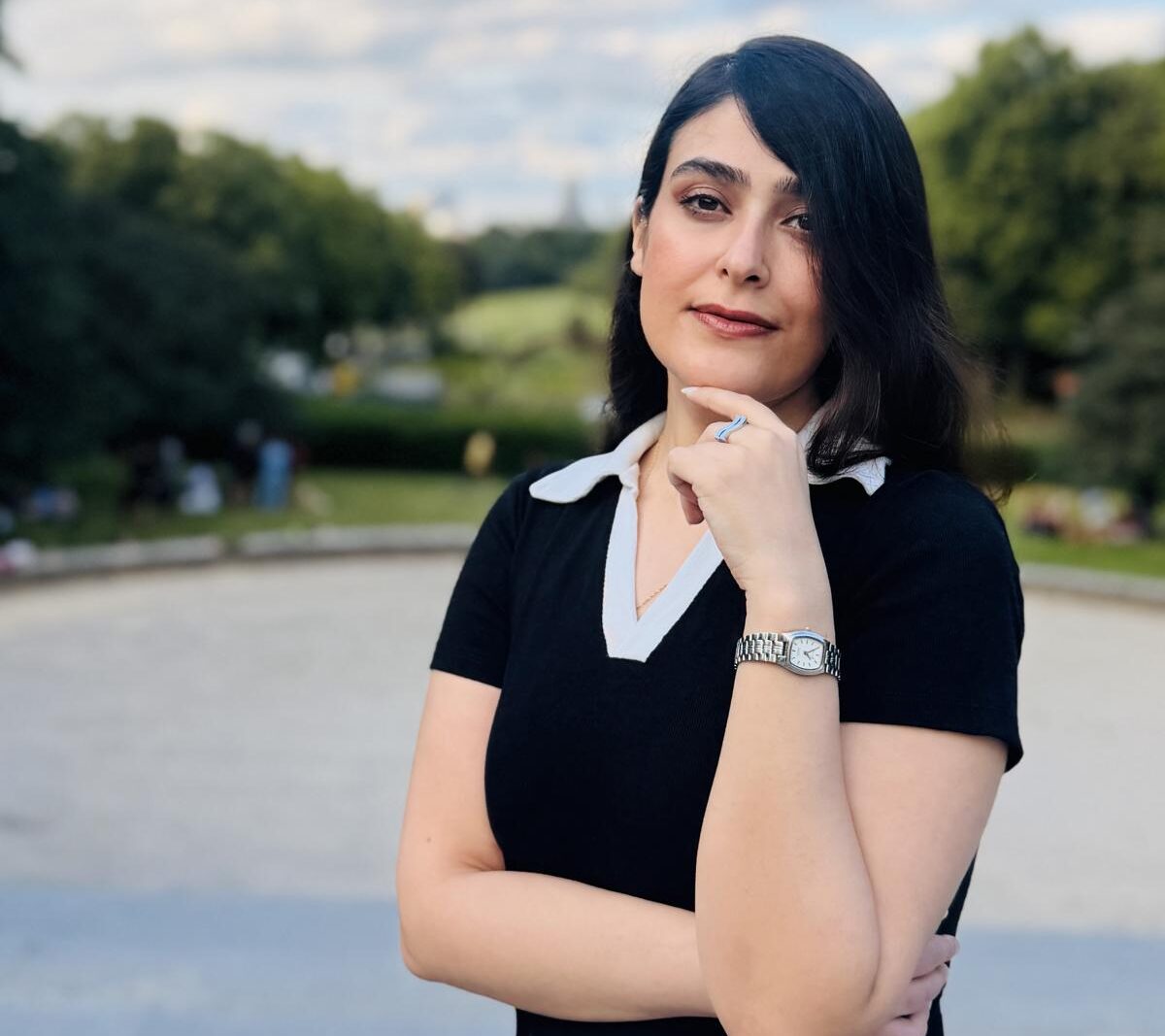
My name is Simin Shokrollahi, and I am from Isfahan, one of Iran’s most beautiful and historic cities, renowned for its magnificent Persian architecture, vibrant tilework, and rich cultural heritage. I hold a Bachelor’s degree in Chemical Engineering and a Master’s degree in Biotechnology. During my Master’s studies, I worked on the development of lignocellulosic biorefineries, and my research has focused on sustainable bioprocesses and waste valorization.
As part of the DyeAnotherWay project, my research will explore the circular economy and environmental sustainability of biogenic dyes by integrating process engineering, techno-economic analysis, life cycle assessment, and environmental impact evaluation. I am excited to be part of this international and interdisciplinary network and to collaborate with outstanding researchers and industrial partners from around the world. I find it inspiring that something as familiar as color can become a driver of innovation in biotechnology and sustainability. I look forward to contributing to research that advances sustainable biogenic dyes and helps build a greener future.
من سیمین شکراللهی و اهل اصفهان هستم؛ یکی از زیباترین و تاریخیترین شهرهای ایران که به معماری باشکوه ایرانی، کاشیکاریهای چشمنواز و میراث فرهنگی غنیاش شهرت دارد. دارای مدرک کارشناسی در رشته مهندسی شیمی و کارشناسی ارشد در بیوتکنولوژی هستم. در دوران کارشناسی ارشد، روی توسعه پالایشگاههای زیستی لیگنوسلولزی کار کردم و تحقیقاتم همواره بر فرآیندهای زیستی پایدار و ارزشافزایی پسماندها متمرکز بوده است.
به عنوان بخشی از این پروژه بینالمللی، پژوهش من با تلفیق مهندسی فرآیند، تحلیل فنی-اقتصادی، ارزیابی چرخه عمر و ارزیابی اثرات زیستمحیطی، به بررسی اقتصاد چرخشی و پایداری زیستمحیطی رنگهای زیستی میپردازد. بسیار خوشحالم که عضوی از این شبکه پژوهشی بینالمللی و میانرشتهای هستم و فرصت همکاری با پژوهشگران برجسته و شرکای صنعتی از سراسر جهان را دارم. برایم بسیار الهامبخش است که موضوع ملموس و آشنایی مانند رنگ، میتواند انگیزه نوآوری در زیستفناوری و پایداری باشد و مشتاقم با پژوهش خود به پیشرفت رنگهای زیستی پایدار و ساختن آیندهای سبزتر کمک کنم.
Maite Erdociain Pérez (DC11 at Université de La Réunion)
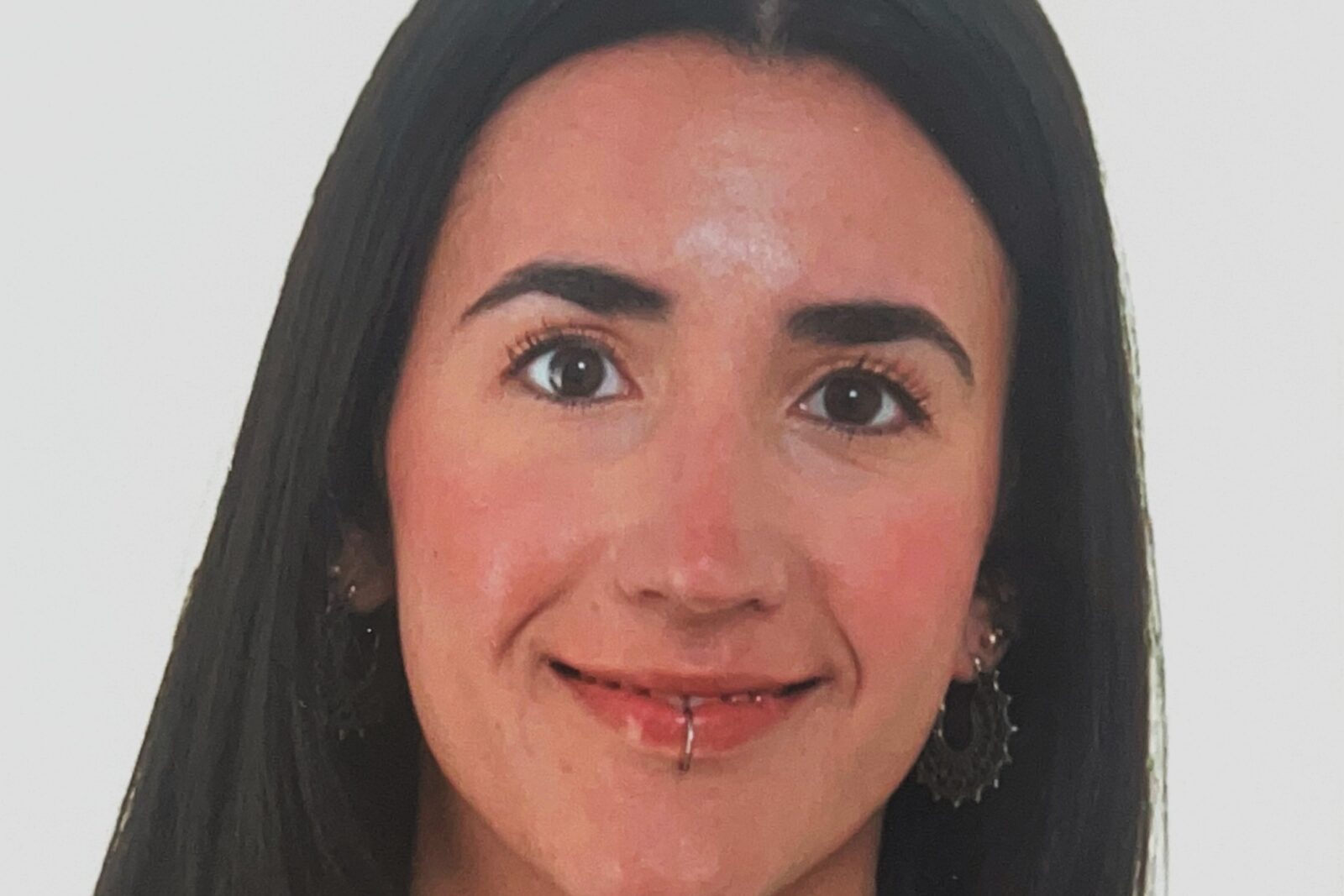
Hi! My name is Maite, and I am from Pamplona, in the north of Spain. I studied Biotechnology at the University of Barcelona and later completed a Master’s degree in Industrial and Environmental Biotechnology at the Complutense University of Madrid.
During my Bachelor’s degree, I discovered the fascinating world of microbiology. I was amazed by the incredible diversity of microorganisms and by the idea that they can be used as tiny factories to produce compounds that can improve our daily lives. Since then, I have wanted to work on projects where microbiology can contribute to developing more sustainable alternatives.
Another thing that has always motivated me is discovering new places and experiencing different cultures and ways of working. For this reason, I decided to carry out my Bachelor’s thesis in the Netherlands and my Master’s thesis in Uruguay. These experiences taught me a lot, both scientifically and personally, and confirmed that I really enjoy working in international environments.
Now, as DC11 at the University of La Réunion, I am very happy to join the DyeAnotherWay network. I am looking forward to meeting everyone, learning from researchers with different backgrounds, and making the most of this opportunity. I hope these next three years will help me grow not only as a scientist, but also as a person, while contributing to the development of more sustainable microbial colorants.
¡Hola! Me llamo Maite y soy de Pamplona. Estudié Biotecnología en la Universidad de Barcelona y, posteriormente, cursé el Máster en Biotecnología Industrial y Ambiental en la Universidad Complutense de Madrid.
Durante la carrera descubrí el fascinante mundo de la microbiología. Me sorprendió la enorme diversidad de los microorganismos y la idea de que pudieran utilizarse como pequeñas biofábricas capaces de producir compuestos que mejoren nuestra vida cotidiana. Desde entonces, tuve claro que quería dedicarme a proyectos en los que la microbiología pudiera contribuir al desarrollo de alternativas más sostenibles.
Otra cosa que siempre me ha motivado ha sido conocer nuevos lugares, culturas y formas de trabajar. Por eso decidí realizar mi Trabajo de Fin de Grado en los Países Bajos y mi Trabajo de Fin de Máster en Uruguay. Ambas experiencias me hicieron crecer tanto a nivel científico como personal y confirmaron que disfruto mucho trabajando en entornos internacionales.
Ahora comienzo una nueva etapa como DC11 en la Universidad de La Reunión y no podría estar más ilusionada de formar parte de la red DyeAnotherWay. Tengo muchas ganas de conocer al resto de doctorandos, aprender de investigadores con trayectorias muy diferentes y aprovechar al máximo esta oportunidad. Espero que estos tres años me permitan crecer no solo como investigadora, sino también como persona, mientras contribuyo al desarrollo de colorantes microbianos más sostenibles para el futuro.
Phuong Linh Nguyen (DC12 at University of Helsinki)
I’m Linh, a Sensory & Consumer researcher from Vietnam who has lived in Malaysia, France, Ireland and Sweden. My background sits where food science meets people. I hold an Erasmus Mundus MSc in Food Innovation & Product Design and a B.Eng in Food Technology. Across food innovation and new product development, packaging and materials science, life cycle assessment and sustainability, I’ve worked at many stages of the innovation pipeline for consumer-packaged-goods. The technical success of an innovation and its human acceptance are interdisciplinary problems, and both have to be solved before anything reaches scale. That conviction shapes my research interest: Bridging Sensory and Consumer science to guide product development, increasingly within the bioeconomy. I’m drawn to the gap between technical feasibility and real-world adoption — the space where a promising, sustainable material either becomes a product people choose, or doesn’t. Using a design-thinking approach that keeps people at the centre, I study not only whether bio-based innovations perform, but whether they’re understood, trusted and wanted, so that sustainability translates into products that are genuinely viable. With DyeAnotherWay, that means studying how consumers perceive and accept microbial colours. Colour signals freshness, flavour, quality and trust, especially in food, so a shift to biogenic dyes is as much a human question as a technical one. By bringing the consumer voice into a project led by microbiologists, chemists and biotechnologists, I help ensure these dyes are designed not just to be greener, but to be genuinely wanted — so a lower-carbon alternative to synthetic colourants can succeed in the market and reach the people it’s meant for.
Outside work, you’ll usually find me trying cooking hacks and foods from different cuisines, taking long walks in nature or slow time by the beach, and treating grocery shopping as equal parts errand and field research — I can’t walk past a shelf without reading it. I have a soft spot for side quests: detours to explore a new place or pick up a new skill, which keep me curious and close to the everyday, sensory side of life that first drew me to this field.
Mình là Linh, từ lĩnh vực nghiên cứu Cảm quan & Người tiêu dùng. Mình đến từ Việt Nam, từng sống ở Malaysia, Pháp, Ireland và Thụy Điển. Nền tảng của mình nằm ở nơi khoa học thực phẩm giao thoa với yếu tố con người. Mình có bằng Thạc sĩ Erasmus Mundus ngành Đổi mới Thực phẩm & Thiết kế Sản phẩm (Food Innovation & Product Design) và bằng Kỹ sư Công nghệ Thực phẩm. Đi qua nhiều mảng như đổi mới thực phẩm và phát triển sản phẩm mới, bao bì và khoa học vật liệu, đánh giá vòng đời (LCA) và phát triển bền vững, mình đã làm việc ở nhiều giai đoạn khác nhau của chuỗi đổi mới trong ngành hàng tiêu dùng (FMCG / CPG).
Một sản phẩm đổi mới thành công về mặt kỹ thuật, và việc nó được mọi người đón nhận, là các vấn đề liên quan mật thiết và quan trọng khi đưa ra quyết định sản xuất quy mô lớn. Chính niềm tin đó định hình hướng nghiên cứu của mình: Kết nối khoa học cảm quan với khoa học người tiêu dùng để dẫn dắt việc phát triển sản phẩm, đặc biệt ở lĩnh vực kinh tế sinh học (bioeconomy). Khoảng trống giữa tính khả thi kỹ thuật và mức độ chấp nhận thực tế — nơi một vật liệu mới với những đặc tính đầy hứa hẹn hoặc sẽ trở thành sản phẩm mọi người chọn mua, hoặc là không. Với cách tiếp cận dùng tư duy thiết kế (design thinking) luôn đặt con người ở trung tâm, mình không chỉ tìm hiểu xem những đổi mới với nguồn gốc sinh học có thể hoạt động hiệu quả hay không, mà còn xem chúng có được hiểu, tin tưởng và mong muốn hay không — để sự bền vững thật sự biến thành những sản phẩm khả thi, chứ không chỉ trên lý thuyết. Sau khi đã làm việc xuyên suốt cả chuỗi đổi mới, mình đặc biệt quan tâm đến bước quyết định liệu một đổi mới có thật sự tạo ra khác biệt hay không: đưa nó ra khỏi phòng thí nghiệm và nhân rộng để tạo tác động thực sự. Ở DyeAnotherWay, điều đó có nghĩa là nghiên cứu cách người tiêu dùng cảm nhận và chấp nhận các loại màu nhuộm từ vi sinh vật. Màu sắc gợi lên cảm giác về độ tươi, hương vị, chất lượng và sự tin cậy, nhất là với thực phẩm — nên chuyển sang màu nhuộm sinh học vừa là bài toán kỹ thuật, vừa là một câu chuyện về thị hiếu. Mang tiếng nói của người tiêu dùng vào một dự án được dẫn dắt bởi các nhà vi sinh, hóa học và công nghệ sinh học, mình góp phần bảo đảm rằng những màu nhuộm này không chỉ được tạo ra để “xanh” hơn, mà còn để thật sự được đón nhận — để một lựa chọn thay thế cho màu nhuộm tổng hợp, với lượng carbon thấp hơn, có thể thành công trên thị trường và đến được với đúng nhóm đối tượng cần hướng tới.
Ngoài giờ làm, bạn sẽ thường thấy mình thử các mẹo nấu ăn và món ăn từ các nền ẩm thực, đi dạo thật lâu giữa thiên nhiên hay thong thả bên bờ biển, và xem chuyện đi chợ vừa là việc vặt vừa là nghiên cứu thực địa — mình không thể đi ngang một kệ hàng mà không đọc nó. Mình yêu thích khám phá một nơi mới hay học một kỹ năng mới, và giúp bản thân mình luôn tò mò.